Best Safety Practices for Hydraulic Cylinders
Hydraulic cylinders are essential for many industrial applications, but can pose safety risks if not handled carefully. Learn more about best safety practices.
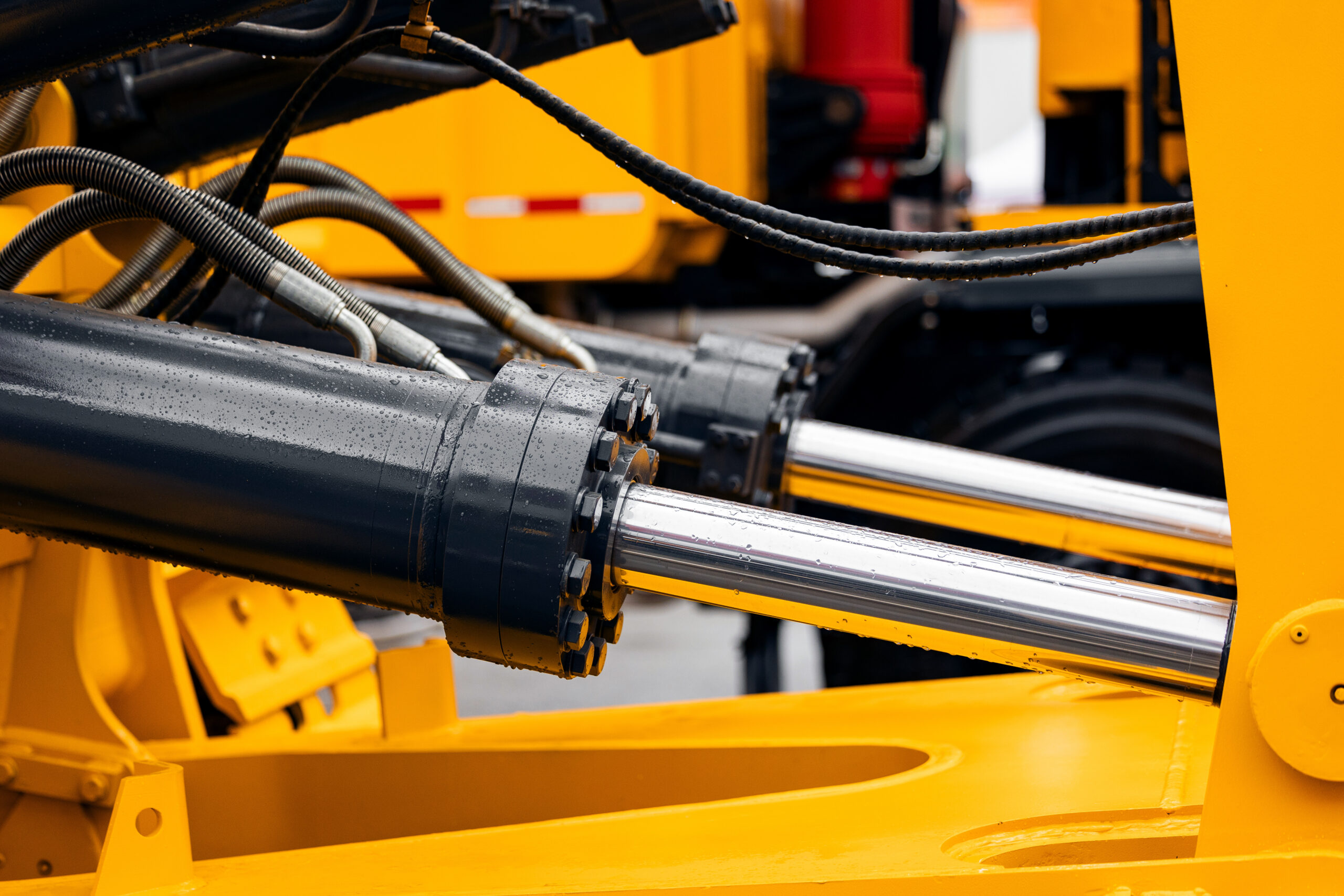
Hydraulic cylinders are essential for many industrial applications, but can pose safety risks if not handled carefully. Learn more about best safety practices.
While essential in many applications, hydraulic cylinders can be dangerous because they operate under high pressures and extreme temperatures. They should always be handled with care during installation and especially during maintenance.
Hydraulic cylinders come in many forms, and specific safety details vary with each design. This blog is not intended as a definitive guide to the subject, but rather to provide general safety practices that apply to all hydraulic cylinder types.
Hydraulic systems operate at very high pressures, which makes them extremely dangerous to work on. Components may remain pressurized even after the pump is shut down. That’s why it’s critical to have proper lockout/tagout procedures in place to ensure the system is fully depressurized before maintenance begins.
System manufacturers provide specific recommendations and procedures for relieving pressure and de-energizing components; always follow their guidance before performing any kind of maintenance work.
Appropriate personal protective equipment (PPE) is essential for protection against spraying fluids and particles, high temperatures, dirt, and impact injuries. When handling hydraulic cylinders, you should always wear:
Hearing protection may also be necessary, depending on the work environment rather than the hydraulic system itself.
Never check for leaks with bare hands. A microscopic jet of fluid at hundreds or even thousands of pounds of pressure can penetrate the skin and cause a fluid injection injury—a serious medical emergency requiring immediate treatment. Gloves are not strong enough to prevent this injury.
Always check for leaks using cardboard or a piece of metal, and keep your hands safely out of the danger zone.
Additionally, fluid from a working hydraulic system can be extremely hot, increasing the risk of burns, another reason to keep bare hands away from potential leak points.
After completing work on a hydraulic system and before restarting it, always check for possible interference. Nothing should prevent the cylinder rod from moving freely.
Potential problems to look for include:
High-quality cylinders from reputable manufacturers can provide a long, trouble-free service life, but wear will eventually cause issues. Overloading equipment or delaying maintenance can accelerate failures.
Check the following during routine inspections:
Any damaged or defective parts should be replaced immediately.
Hydraulic systems naturally run warm, and cylinders may feel hot to the touch. However, adding external heat, such as welding or industrial heaters, can cause serious issues.
One major concern is fluid expansion, which can raise internal pressure and potentially exceed system limits. Seals also have relatively low upper temperature tolerances.
Another issue is reduced fluid viscosity at higher temperatures, which can increase wear and contribute to leaks or component failure.
Hydraulic system manufacturers select high-integrity components and ensure they are matched to the application. When replacing parts, choosing OEM-recommended spares ensures this match is maintained.
The best policy in hydraulic cylinder maintenance is to avoid purchasing components from unfamiliar sources. Even if external dimensions are identical, materials, internal sizes, and finishes could be different, which could result in sudden failure or operational problems.
Visit our blog for additional tips and resources on hydraulic cylinder usage, or contact us with any questions regarding maintenance or potential cylinder damage. With over 50 years of experience in manufacturing and rebuilding hydraulic cylinders, we are happy to provide guidance and training on all aspects of cylinder selection, use, and repair.