Why Is My Hydraulic Cylinder Leaking? 5 Common Causes (and How to Fix Them)
Hydraulic cylinder leaking? Discover common causes, how to fix leaks fast, and when to repair or replace your cylinder to avoid downtime.
Hydraulic cylinder leaking? Discover common causes, how to fix leaks fast, and when to repair or replace your cylinder to avoid downtime.
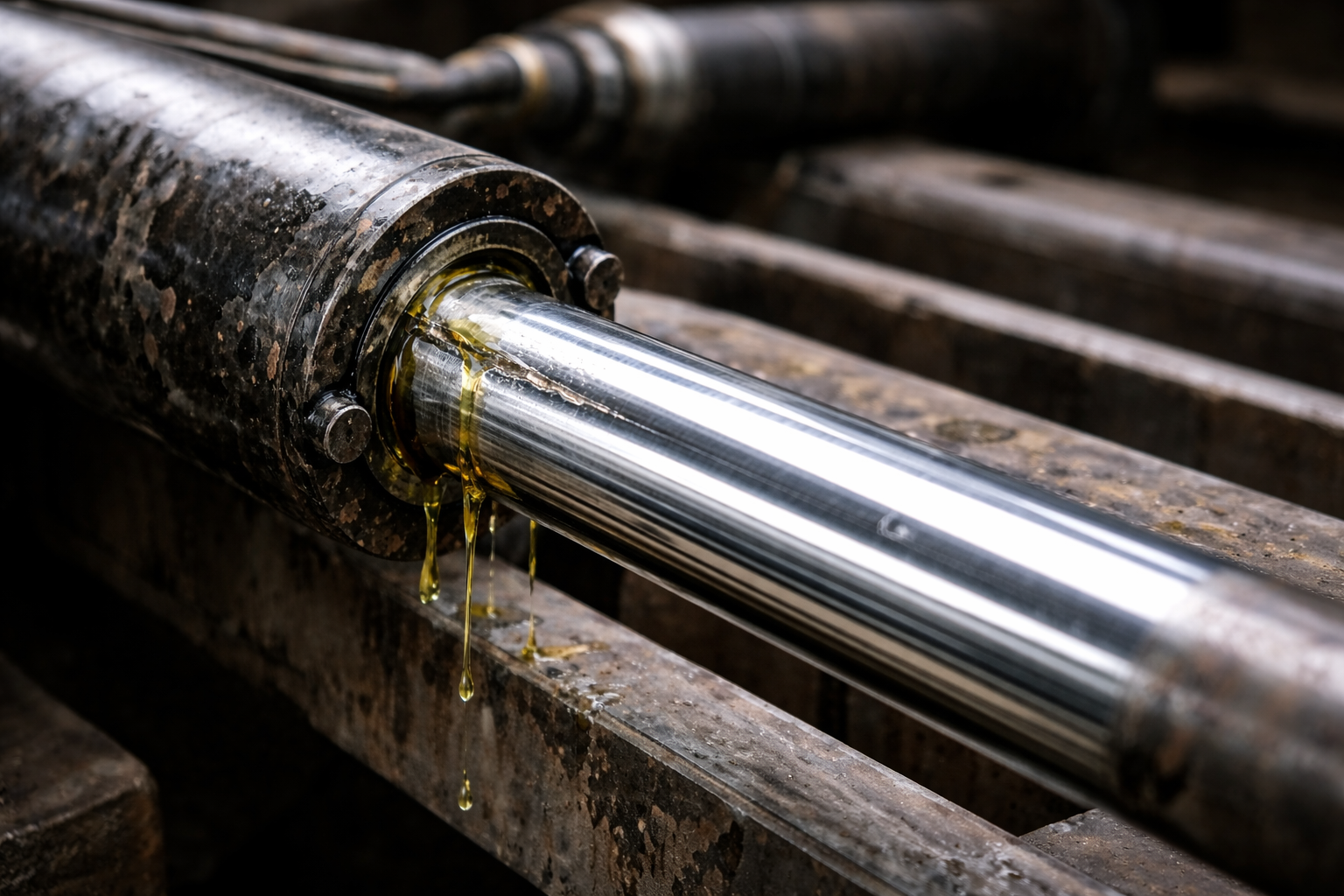
Hydraulic cylinder leakage is a common cause of increased downtime and unexpected costs in fluid power systems. Whether your hydraulic cylinder is leaking from the rod, the seal, or around the fittings, identifying the root cause early can help prevent major equipment failure down the line.
In this guide, we’ll walk through the most common causes of hydraulic cylinder leakage and how to fix them, so you can restore performance quickly and keep your operations running smoothly.
One of the most frequent causes of a leak within a hydraulic cylinder is seal failure. This is a natural process. Over time, seals degrade due to pressure, friction, and temperature fluctuations, which eventually allows the fluid to escape.
This is common and easy to identify. If this is the issue, you may notice:
Seal replacement is the most effective solution here. Be sure to select the correct seal material based on your operating environment and fluid type. However, if you’re replacing seals frequently, it’s likely a symptom of a larger issue, and may lead to repeated failures.
If your hydraulic cylinder is leaking from the rod, the condition of the rod surface is critical. It’s important that the rod remains smooth to maintain proper sealing. Even minor scratches or pits have the potential to tear seals and cause leaks.
Rod damage is especially common in harsh environments where cylinders are exposed to corrosive materials, dirt, and excess moisture. Other potential causes may include improper handling and lack of protective components such as wipers or boots.
If this is the issue, you may notice:
Minor imperfections may be polished, but deeper damage typically requires rod replacement. Running a damaged rod will quickly destroy new seals and worsen the leak.
Not all hydraulic cylinder leak causes are internal. In some cases, the problem comes from external connections, such as hoses, ports, or fittings.
Common causes include improper installation, cracked or worn fittings, and damaged threads or sealing surfaces.
If this is the issue, you may notice:
To address this issue, you should start by ensuring that all fittings are tightened to the manufacturer’s recommended torque. It’s essential not to over-tighten fittings, as it can deform threads or seals, and worsen the issue. Proper torque is key!
Contamination is one of the most damaging, yet overlooked, causes of hydraulic cylinder leaking. Even small amounts of dirt, moisture, or metal particles within the hydraulic fluid can spiral to significant wear over time.
Contaminants have the ability to score walls, damage seals, and accelerate component failure throughout the system. Causes include dirty hydraulic fluid, inadequate filtration, environmental factors, or improper maintenance handling.
If this is the issue, you may notice:
Addressing contamination includes replacing the hydraulic fluid, flushing the system, and upgrading filtration if needed. In severe cases, internal components may also need to be inspected or repaired.
Overpressure occurs when the hydraulic system exceeds the cylinder pressure limits. This places severe stress on internal components—such as seals and fittings—leading to leaks and failure.
Common causes of overpressure include system overload or shock loading, incorrect cylinder sizing, operator misuse, and improperly set relief valves.
If this is the issue, you may notice:
To address this issue, make sure your system pressure settings and relief valves are functioning correctly. Verify that the cylinder is properly sized for the application.
If leakage is a frequent issue with your hydraulic cylinder, it’s important to evaluate whether repair is the most cost-effective option. Read our guide on how to know when to repair vs. replace a hydraulic cylinder to make the best decision for your equipment.
If you’re unsure how to fix a leaking hydraulic cylinder or want to avoid recurring issues, working with an experienced repair partner can save time and reduce downtime.
At Yates Industries, we specialize in hydraulic cylinder repair, rebuilds, and custom manufacturing for demanding industrial applications.
Contact us today to diagnose your issue or learn more about our repair services.